Community

Community Development Tax Credit Bills Introduced

Community Development Tax Credit Bills introduced

The top priority of SCACED's 2017 Public Policy Agenda is to pass new community development tax credit legislation in South Carolina, so we are thrilled to announce that the bill has been introduced in each of the chambers. Senate Bill S.412 gives a 100% tax credit, and House Bill H.3842 has a tax credit of 33%. We ask that everyone take a moment to message Senator Paul Campbell and Representative Gary Simrill to thank them for their leadership in increasing economic development in our state.

For the past 23 years, SCACED has advocated for policies to advance the community economic development industry in South Carolina. Our landmark legislative success was the passage of the SC Community Economic Development Act. This law has set the stage for attracting capital to low-wealth communities and unleashing the innovation that exists in our communities.  We now seek to improve upon the SC CED Act with legislation that will expand and improve the SC Community Development Tax Credit.

The new legislation will increase the community development tax credit from 33% to 100%, increase the annual amount of tax credits from $1 million to $5 million and expand the eligibility of financial institutions to use the tax credits for targeted investments in low wealth communities. This means that an investment in a certified community development corporation (CDC) or community development financial institution (CDFI) will benefit the investor by allowing them a 100% credit against their state income, bank, corporate tax or premium tax liability. This is a powerful incentive to attract private capital into low-wealth communities through certified non-profits.

 Senate Bill S.412 will increase economic development by:

  • Increasing the tax credit from 33% to 100% creating an even greater incentive for private capital to flow into low-wealth communities.
  • Increasing the amount of credits available statewide from one million dollars annually to five million dollars annually.
  • Ensure the equitable distribution of tax credits by stipulating that a portion of the tax credits (25%) be available to small rural-based CDC’s during the first three quarters of each tax year.
  • Expanding eligibility to all banks and financial institutions that operate in SC rather than just those chartered here. This will improve the likelihood of investments in CDC’s and CDFI’s.

House Bill H.3842 will accomplish all of the above, with the exception of the tax credit remaining at 33%.

  • Additional Amendments: Unused tax credits will no longer be carried forward, so the program is capped at $5M per year. However, individual taxpayers will continue to be allowed to carry forward tax credits for up to ten years when those credits exceed the taxpayer’s tax liability for a given year.

House Bill H.3842 is currently in the SC House Ways and Means Committee.  Please contact your representative and ask them to sign on as a co-sponsor of the legislation.  You may find your representative by clicking here and entering in your zip code.  Additionally, please contact members of the SC House Ways and Means Committee and ask them to vote in favor of the H.3842. You can access information on members of the SC House Ways and Means Committee below by clicking the links below.

SC House Ways and Means Committee

White, W. Brian, Chairman

Simrill, J. Gary, 1st V.C.

Cobb-Hunter, Gilda, 2nd V.C.

Anthony, Michael A. "Mike"

Bales, Jimmy C., Ed.D.

Ballentine, Nathan

Clemmons, Alan D.

Clyburn, William "Bill"

Cole, J. Derham, Jr.

Erickson, Shannon S.

Finlay, Kirkman, III

Hayes, Jackie E. "Coach"

Herbkersman, William G. "Bill"

Hosey, Lonnie

Huggins, Chip

Loftis, Dwight A.

Lowe, Phillip D.

Merrill, James H.

Pitts, Michael A.

Smith, G. Murrell, Jr.

Smith, Garry R.

Sottile, F. Michael "Mike"

Stavrinakis, Leonidas E. "Leon"

Whitmire, William R. "Bill"

Senate Bill S.412 is currently in the SC Senate Finance Committee. You may find your senator by clicking here and entering in your zip code. You can access information on members of the SC Senate Finance Committee below by clicking the links below. Please contact members of the SC Senate Finance Committee and ask them to vote in favor of the S.412.

SC Senate Finance Committee Members

Leatherman, Hugh K., Sr., Chairman
Setzler, Nikki G.

Peeler, Harvey S., Jr.

Courson, John E.

Matthews, John W., Jr.

Reese, Glenn G.

Alexander, Thomas C.

Grooms, Lawrence K. "Larry"

Verdin, Daniel B. "Danny", III

Cromer, Ronnie W.

Jackson, Darrell

Williams, Kent M.

Campbell, Paul G., Jr.

Davis, Tom

Nicholson, Floyd

Sheheen, Vincent A.

Martin, Shane R.

Scott, John L., Jr.

Allen, Karl B.

Gregory, Chauncey K.

Bennett, Sean M.

Corbin, Thomas D. "Tom"

Hembree, Greg

2017 Legislative Luncheon Recap

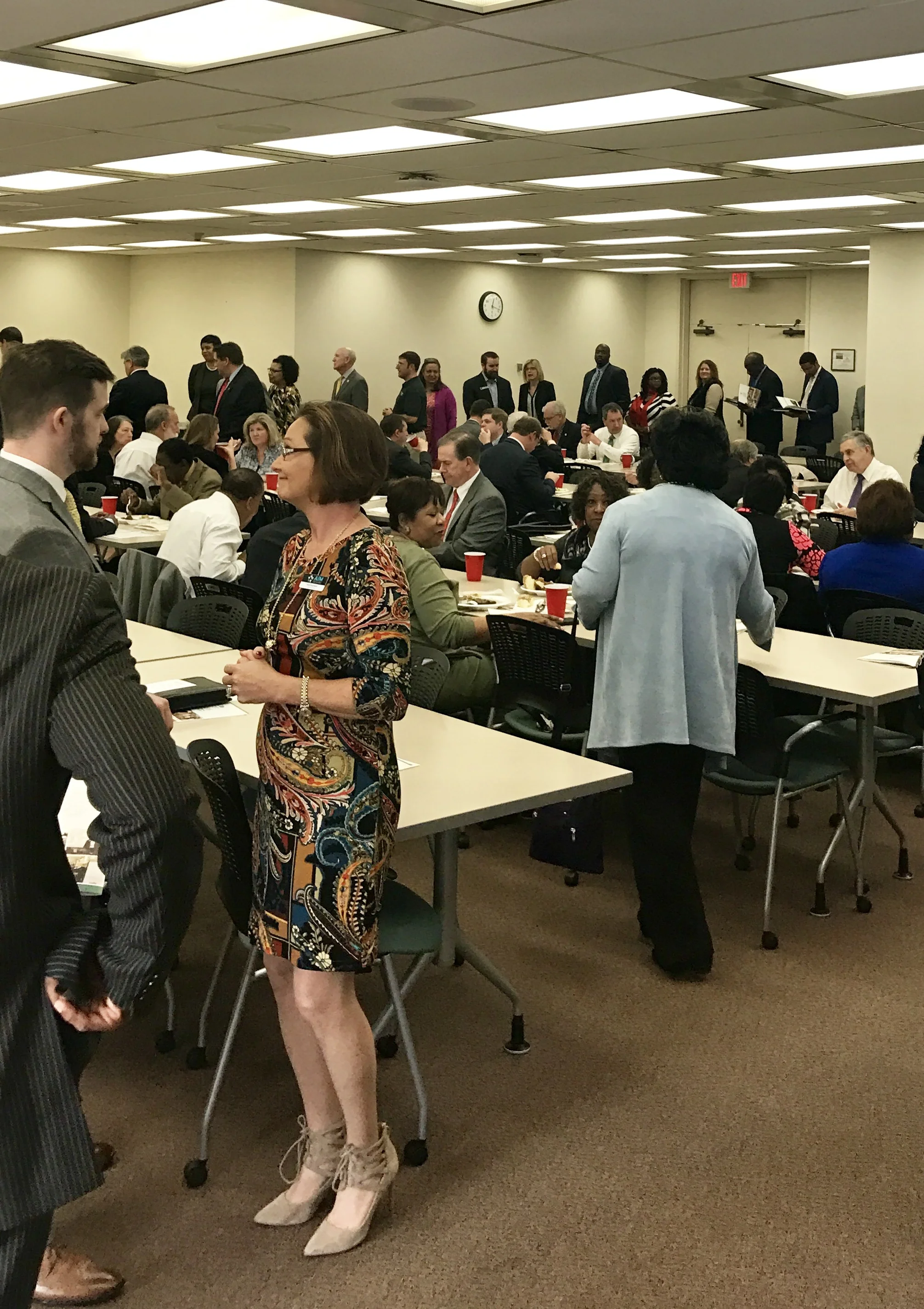
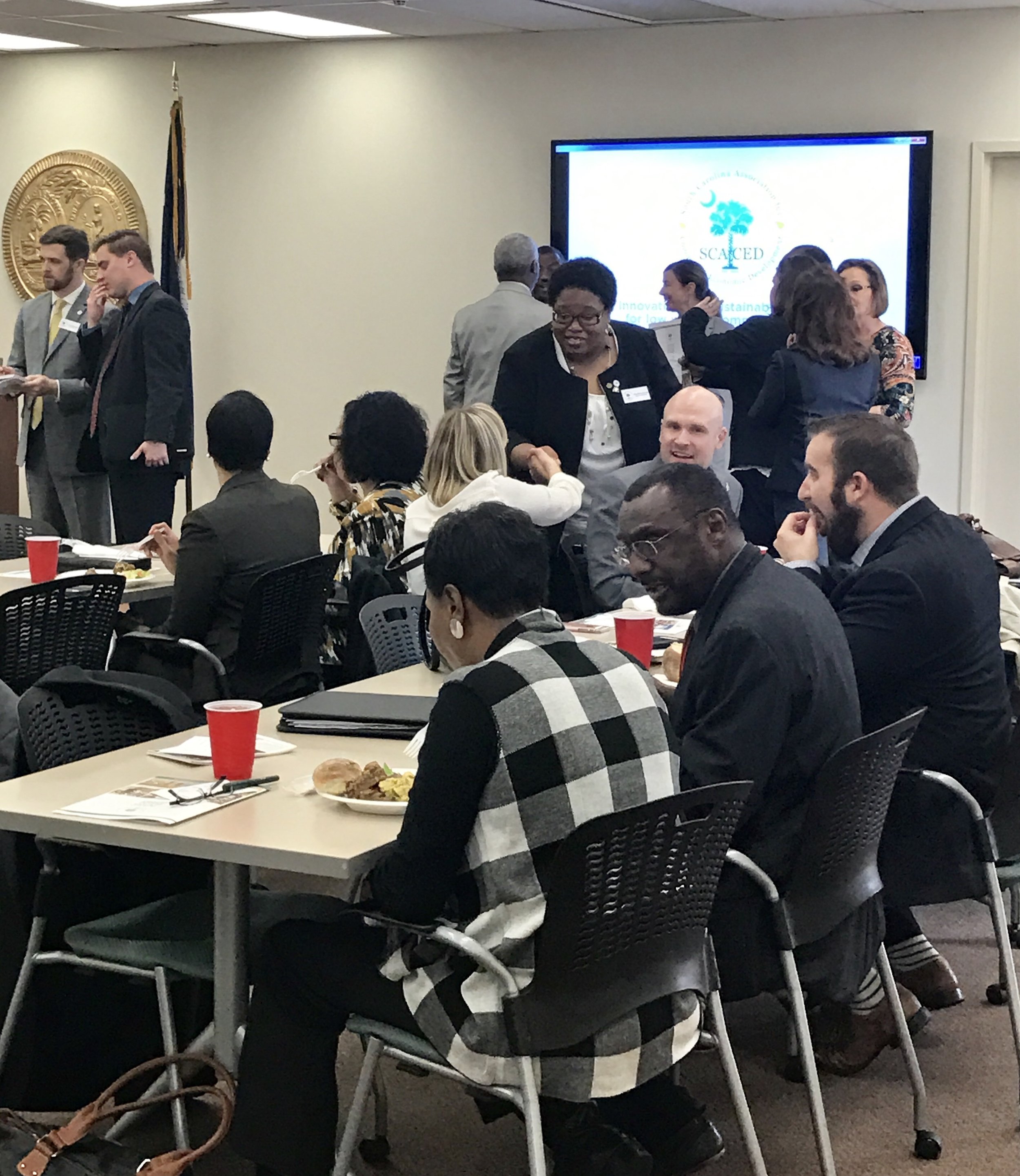
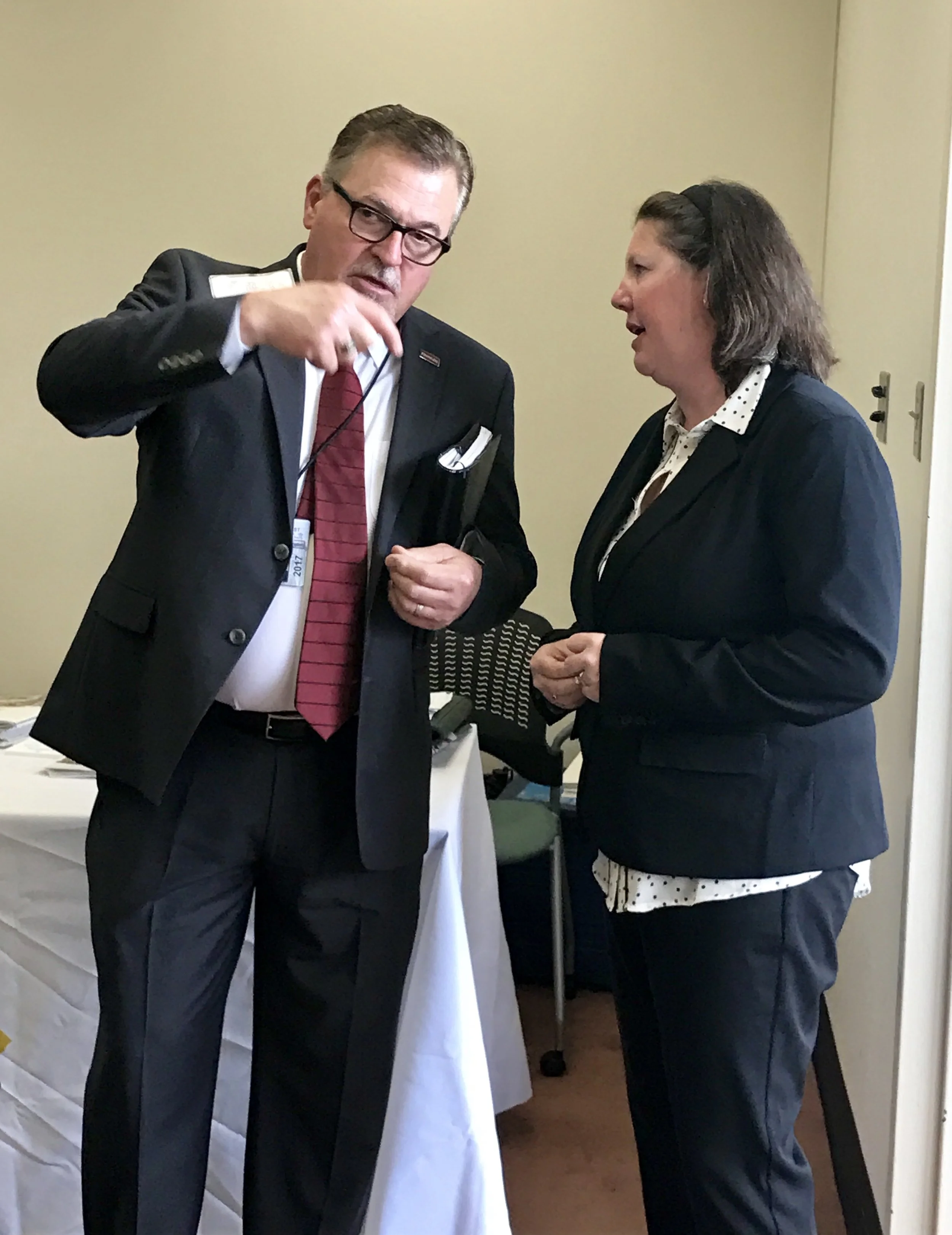
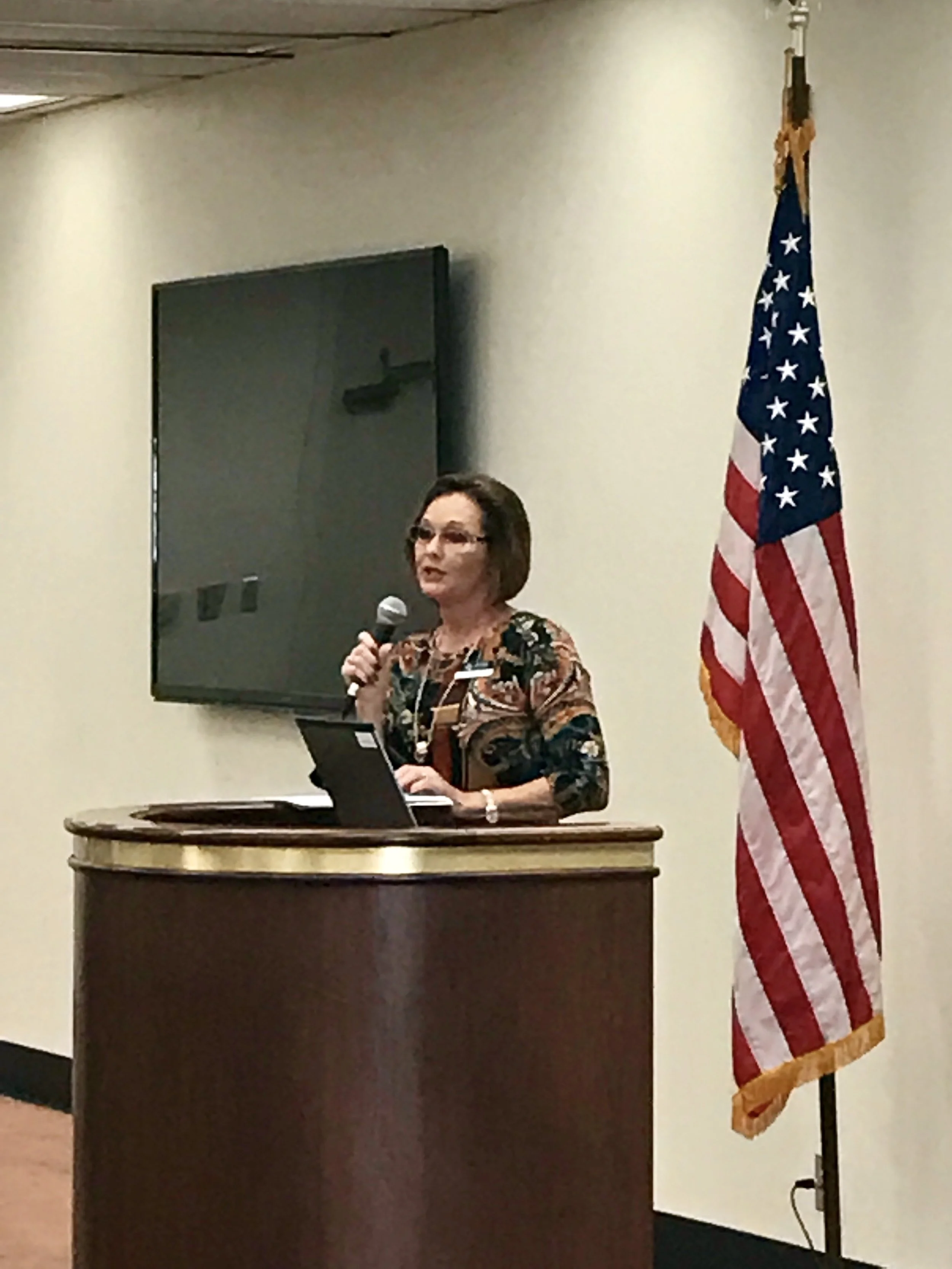
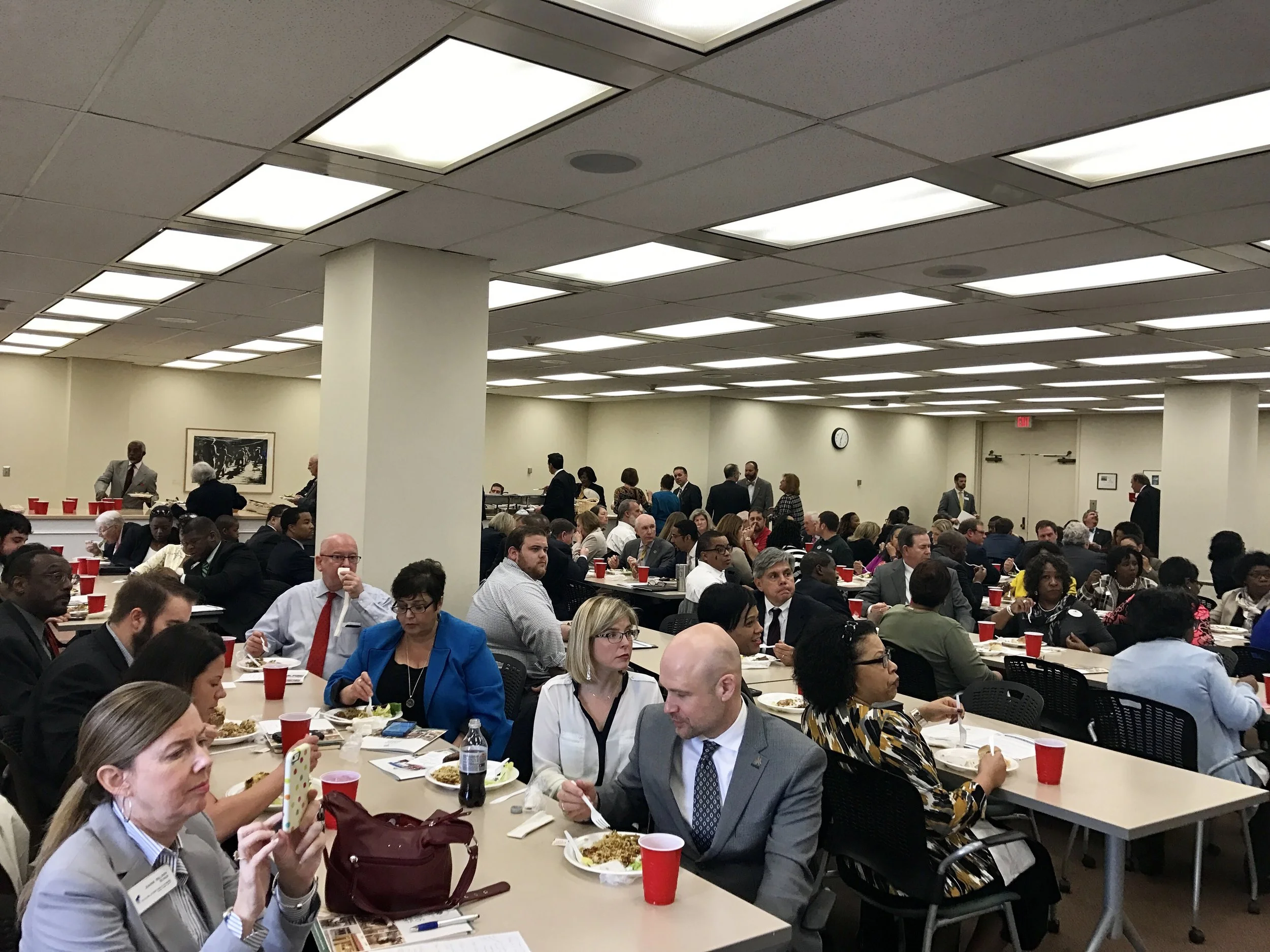
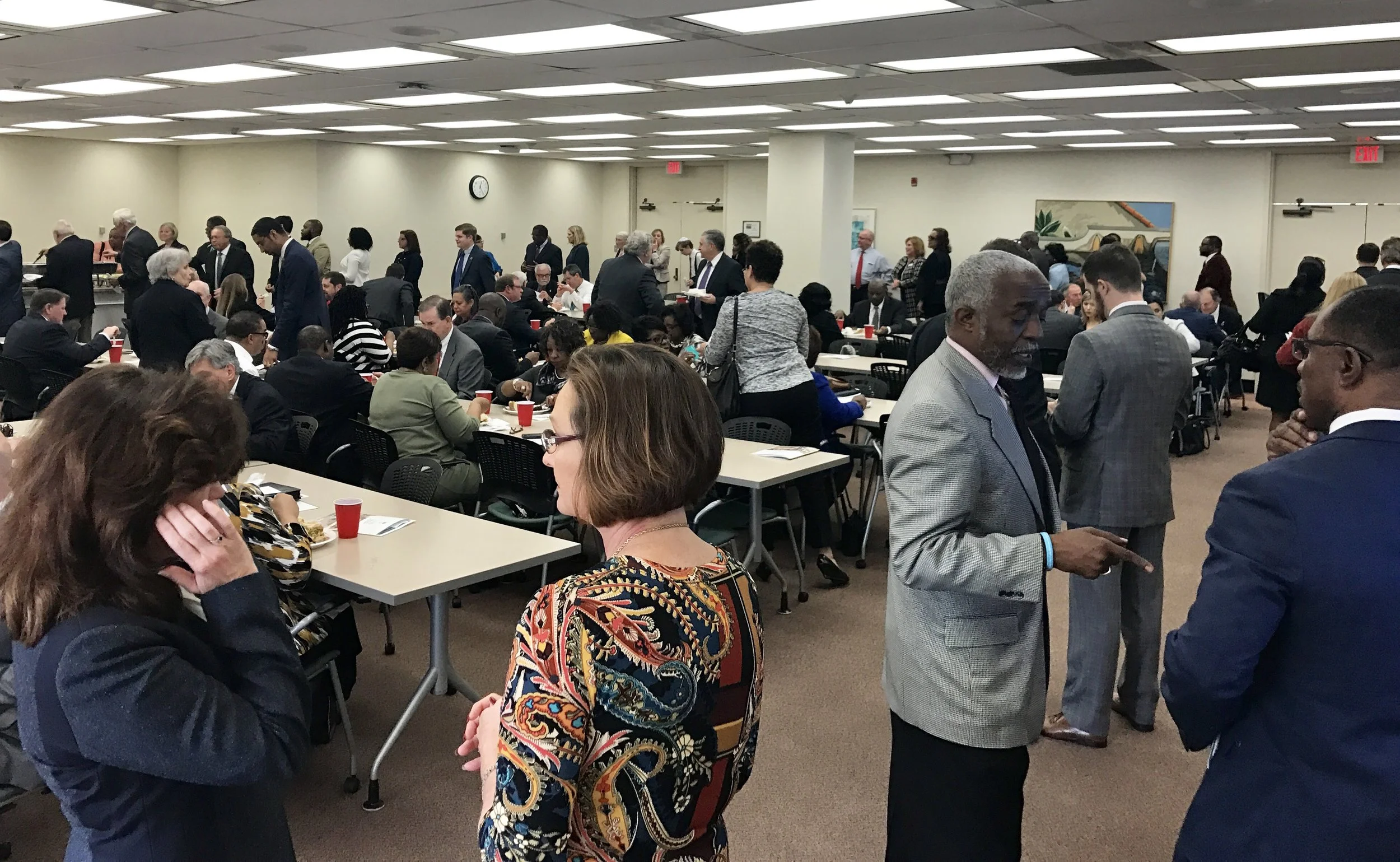
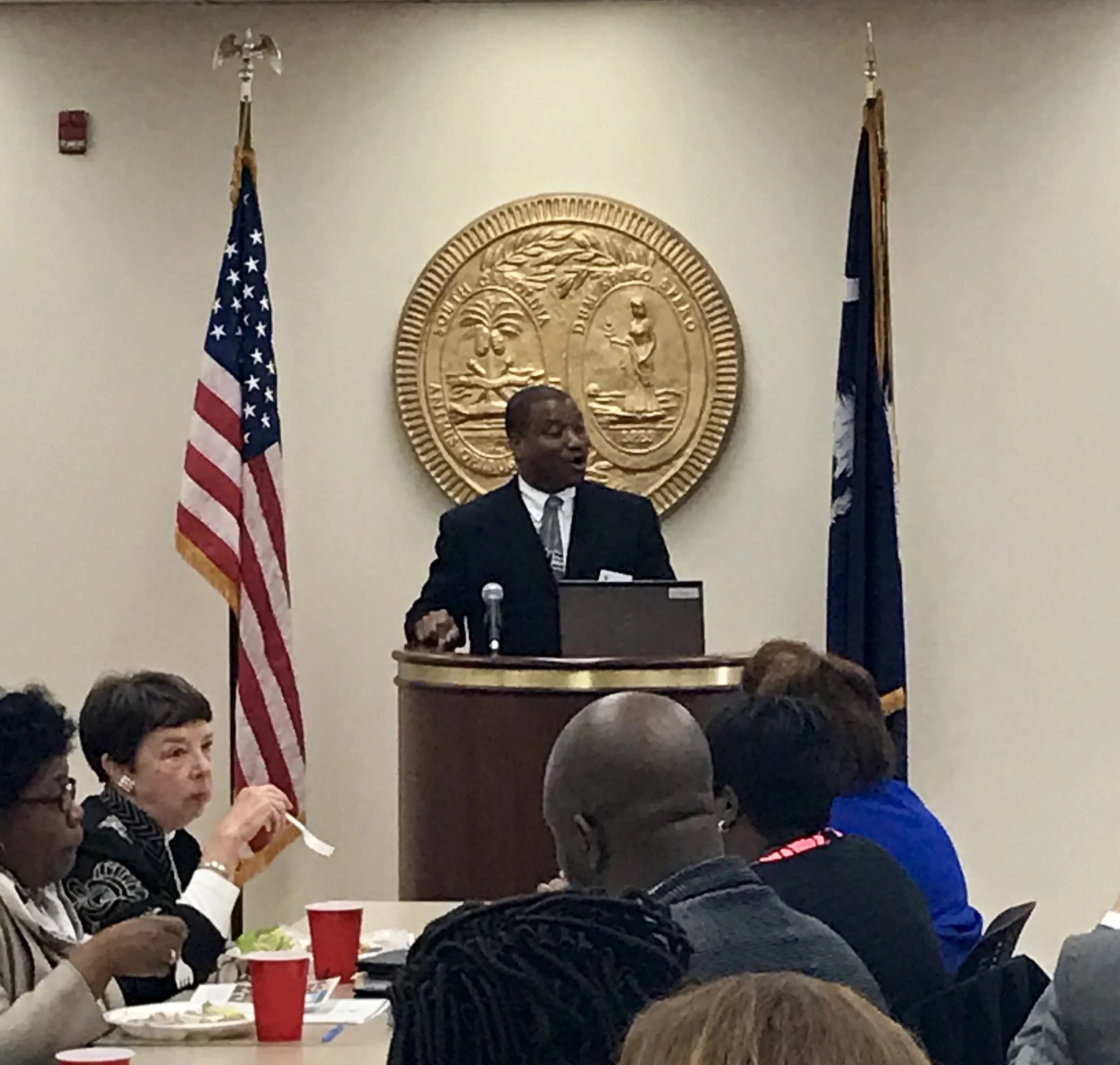
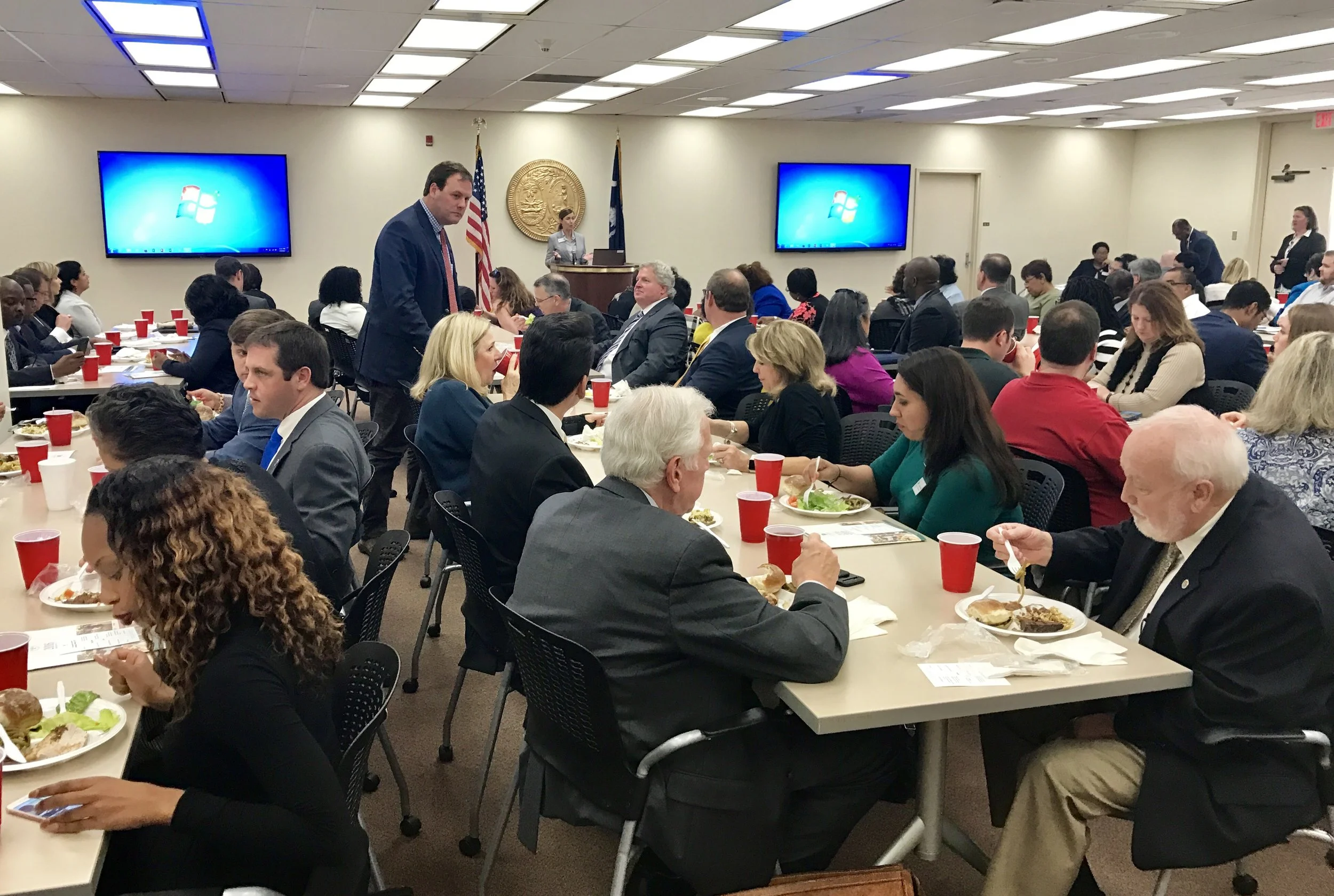
More than 150 members and SC Legislators attended SCACED's Legislative Luncheon held on Wednesday, February 8th, in Columbia. During the event, SCACED unveiled a video illustrating the work of Community Economic Development in South Carolina and showcased the support for the SC Community Development Tax Credit (2017 Public Policy Agenda).

We are excited to share that we are already seeing progress just one week after our Legislative Luncheon. The Community Development Tax Credit legislation was sponsored and introduced by Senator Paul Campbell on February 14th. This legislation aims to increase the tax credits from 33% to 100% and raise the annual limit from $1 million to $5 million annually. View Bill #S.412.
 
Thank you to our network of supporters and please be on the lookout for SCACED Calls to Action regarding this bill. We now invite you to view the video that we unveiled as well as our event photo gallery...
 

SC Community Economic Development VIDEO


Legislative Luncheon Photo Gallery

America’s Rural Opportunity Series

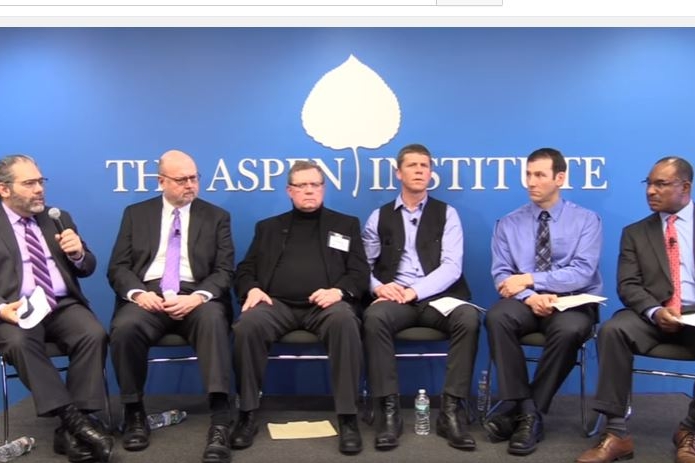
SCACED's President and CEO, Bernie Mazyck, participated in a panel discussion at the Aspen Institute in Washington, DC, on February 10th. The event was a part of America’s Rural Opportunity, a six-part series of panel conversations that invites policymakers, economic and community development practitioners, and business and philanthropic leaders to engage in real dialogue around advancing a rural opportunity agenda.

This particular discussion was about how local innovation strengthens rural economies, and Bernie spoke about tax credits for rural investment through the South Carolina Community Development Tax Credit. The discussion was available via livestream, and we invite you watch the recording below. In addition, you can learn more at aspeninstitute.org/events/local-innovation-rural-economies.

Healthy Insights Grants Awarded

Healthy Insights Grant Program logo

We introduced our Healthy Insights Grant Program last September (view article) and are happy to announce that SCACED has awarded a grant in the each of these South Carolina regions: Lowcountry, Midlands, Pee Dee and the Upstate.

The purpose of the program was to demonstrate how public data sources can be used to guide initiatives that improve the health of and promote healthy lifestyles in South Carolina's communities. Each community is unique, and upfront data analysis helped illustrate how and where funds should be directed to support projects that address the health challenges a particular community faces. Considering this data, SCACED is making strategic investments in the following community health projects...

Lowcountry

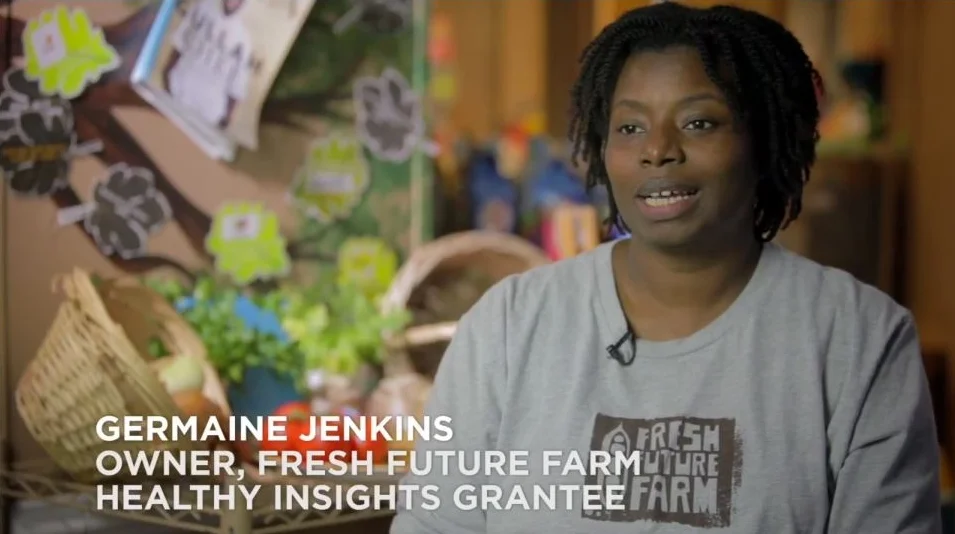
Fresh Future Farm
“Cooking Up Community Economic Development”

In an effort to fulfill its mission to leverage urban agriculture to create socially just economic development, Fresh Future Farm will partner with the Lowcountry Alliance for Model Communities (LAMC) and others to design and build a mobile DHEC certified kitchen incubator. This incubator, primarily located at FFF’s location in the Chicora-Cherokee neighborhood of North Charleston, will allow FFF to extend the shelf life of its produce and herbs, create and sell value added products, and train area food entrepreneurs to use the kitchen and grow their businesses. They will work with North Charleston and DHEC officials as well as architects to create a kitchen that can be reproduced in any part of the state.

Midlands

Chester County Literacy Council
“Proper Nutrition 101”

This program will deliver an easy-to-understand nutritional curriculum for the population at large to make real and lasting change. Based on a grassroots initiative with the goal of developing universal nutritional programming, the Nutrition 101 curriculum supplies the catalyst to raise public awareness of the diet-health relationship across diverse literacy levels. Detailing the predisposing, enabling, and reinforcing factors for health and wellness, this initiative will create 100 “lay nutritionists” who gain the skillset to take active roles in their families’ health. Through three cycles of classes with twelve weeks of instruction per cycle, the curriculum fosters a mindset of nutritional knowledge that can maintain any individual for life and not just for a few months.

Pee Dee

A Father’s Place
“Pathways to Health and Employment”

Pathways to Health and Employment will enhance participants’ health, employment readiness and economic stability by strengthening health education and increasing access to health services. The project’s goal is to improve the economic and health conditions of low-income noncustodial fathers in Marion County so they can be employable and contribute financially and emotionally to their children and communities. The project will serve 75 participants in Marion County. Through provision of a health education curriculum, bi-annual health screenings, consultations, and increased access to medical services, participants will improve their knowledge about healthy behaviors, health conditions, and nutrition.

Upstate

Mill Community Ministries
“Mill Village Market at Greenlink Transit Station”

This project will transform a vacant space within the Greenlink Bus Transit Station in downtown Greenville into a vibrant, educational, and affordable farmer’s market storefront. The new market location will impact the surrounding residents as well as the more than 2,500 riders that pass through the Transit Station every day. Through this market, MCM will be able to reach more at-risk youth with paid employment to serve their community and be empowered with life- and job-skills. The market will also help expand MCM’s produce distribution, which will allow them to expand their agricultural opportunities and create more youth gardening employment opportunities. Finally, this project aims to provide educational outreach on sustainable backyard gardening by building a demonstration garden in the landscaping beds adjacent to the market.

Congratulations to all of our Grant  recipients!

Virtual Southeast Listening and Strategy Session

CFED Expanding Economic Opportunity logo

We’re all navigating significant change as we move into 2017: a new Administration, a new Congress, new state and local policy environments and more. With all that’s at stake, now is the time to map out how we can work together most powerfully to advance economic opportunity at the local, state and federal levels while protecting all the progress that we’ve made so far.

In partnership with the Assets & Opportunity Network Steering Committee, CFED will facilitate virtual listening sessions in eight regions across the country in the first couple of weeks of 2017. SCACED will be hosting the Southeast session on January 5, 2017, which includes Alabama, Florida, Georgia, Louisiana, Mississippi & South Carolina. It will be moderated by SCACED President & CEO, Bernie Mazyck.

Virtual Southeast Listening and Strategy Session
Thursday, January 5th
Noon CST / 1 pm EST

Each Virtual Regional Listening & Strategy Session will last an hour and will include:

  • Peer-to-peer sharing about the risks facing vulnerable families, state and local policy priorities and lessons learned about which strategies are most effective in achieving progress.
  • Updates on CFED’s perspectives on federal policy challenges and the opportunities we see to drive our collective strategies forward.
  • Discussion about opportunities for organizations and individuals to engage at local, regional or federal levels.
  • The chance to voice which types of support would be most valuable to you as you work to create opportunity in your state or community. 

These Virtual Regional Listening & Strategy Sessions are open to anyone committed to creating a more equitable economy. All sessions will take place via interactive conference call.

It is more important now than ever that we work together to make economic opportunity a reality for all. Your participation in these sessions is vital as we chart a new course. We encourage organizations that are working to empower all U.S. families to become more financially secure to join the session for your region.

Questions? Email Fran Rosebush Baylor, Director of Field Engagement, atfrosebush@cfed.org.